
Fever is an elevated body temperature above normal (98.7 degree F)which may occur due to exogeneous factors ( Bacteria, Fungi) and Endogenous factors ( antigen- antibody reaction, malignancy and graft rejections). So Fever is a symptom not a disease itself.
Fevers and infections can be classified into two broad categories
1. Acute fever is of short duration and body temperature may rise to above 104 degree F. Examples are typhoid, malaria, pneumonia, influenza, chickenpox, tonsilitis
2. Chronic fever generally of longer and sustained duration. Patient have past hostory of repeated episodes and such infection may characterized with a low grade fever.
ACUTE FEVER DIETARY TIPS
The food should be High in Calorie, High in Protein, High Carbohydrate, Moderate Fat, High Fluid, Low Fiber and Soft Diet.
- Juice,soups, dal water, broth should include in diet.
- Refined cereals and their products can give patients.
- Egg, cottage cheese, tender and steamed or baked chicken, fish contain high biological value protein.
- Fruit juices, gelatin, honey, sugar and milk product calorie and protein rich desserts could be preaped.
- Excessive milk and milk product and dairy fat such as cream and butter should be restrict in diet
- High fibre food like whole grain cereals and theirs products like whole wheat flour, cracked wheat, whole pluses should be avoided in diet.
- Raw vegetables and foods should be avoided.
- Fried fatty foods should be avoided.
- Chemical irritants like spices, pickles, pappad, ketchups, etc should be avoided.
- High biological protein such as milk and milk products, eggs, meat, marine foods, chicken, pulses and legumes can be include in diet.
- If patient is on full fluid diet good amount of milk and beaten egg should be given.
- If patient is suffering from diarrhoea or abnormal distension is severe milk intake may need to be resticted
- Food rich in monosacchradies and disaccharides should be given to patients.
- Starch should be in liberal amount.
- Plant polysaccharides in the form of dietary fibre should be kept to a minimum as they increase gastric discomfort as difficult to digest and reduce the nutrient density of meals.
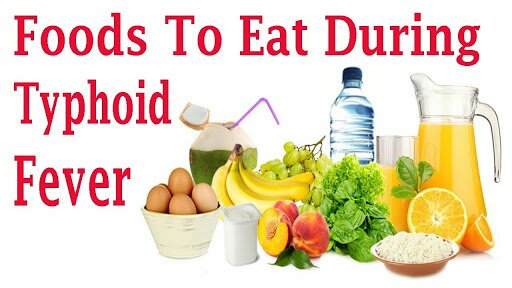
FOODS RICH IN EASY TO DIGEST CARBOHYDRATES
semolina, rice, chirwa, murmura, refined flour, sago, arrowroot, starchy roots/tubers, jaggery,honey, dextrose fruits, such as banana, mango, sarpota, grapes etc.
FLUIDS CAN GIVE
bland clear fluid and full fluids kanji, lemon water, fruit juices, soups, coconuts water/milk,, squashes (without citric acid), sugarcane juice, high energy glucose/electrolyte drinks,wheywater, buttermilk,lassi, soyamilk, milk shakes etc.
FOODS FOR VITAMINS
Cooked foodin red palm oil, incorporating spirulina, curry leaves, amla, lemon
FOODS FOR MINERALS
Green leafy veggies ( bengal gram leaves), curry leaves
SOME OPTIONS FOR PATIENT DIET
Upma/ poha/daliya/khichdi with vegetables, sprouted, stewed fruits with honey, fruit cream, custard, pureed vegetables and pulses veg soupss with creambutter, potato dumplings,roasted yam, potato, ice cream, pudding, souffle etc.

 health and you